


Creating a home garden is a rewarding way to bring nature closer and enjoy fresh plants right outside your door. Whether you have a big backyard or just a small balcony, a little green space can brighten your day and add calm to your life. With simple ideas and easy steps, anyone can grow a beautiful garden at home.
Creative Ways to Transform Your Garden Space
Spruce up your garden with these inspiring home garden ideas that blend beauty, function, and style. From vertical gardens and cozy seating nooks to colorful flower beds and water features, these ideas will help you design a relaxing oasis right at home. Whether you have a small balcony or a spacious backyard, these easy-to-implement tips will add charm, greenery, and personality to your outdoor area.
1. Vertical Garden Wall
A vertical garden wall is a smart way to grow plants in small spaces. By using hanging planters, stackable pots, or wall-mounted frames, you can turn a bland wall into a lush green corner. It adds privacy and color while saving ground space. Ideal for herbs, succulents, or ferns.
Pros: Space-saving, eye-catching, easy to maintain.
Cons: Needs strong support and regular watering.

2. Raised Garden Beds
Raised beds are perfect for those who want more control over soil quality and drainage. These beds can be made from wood, brick, or metal and are ideal for growing veggies, flowers, or herbs. They also reduce the need to bend down, making gardening easier on the back.
Pros: Better soil control, good drainage, accessible.
Cons: Initial setup cost and effort can be high.

3. Container Gardening
Container gardening allows you to grow plants in pots or containers that can be moved around easily. Great for patios, balconies, or rental homes. You can use ceramic, clay, or plastic pots, and experiment with a mix of plants.
Pros: Portable, flexible layout, easy to manage.
Cons: Pots dry out quickly and may need daily watering.

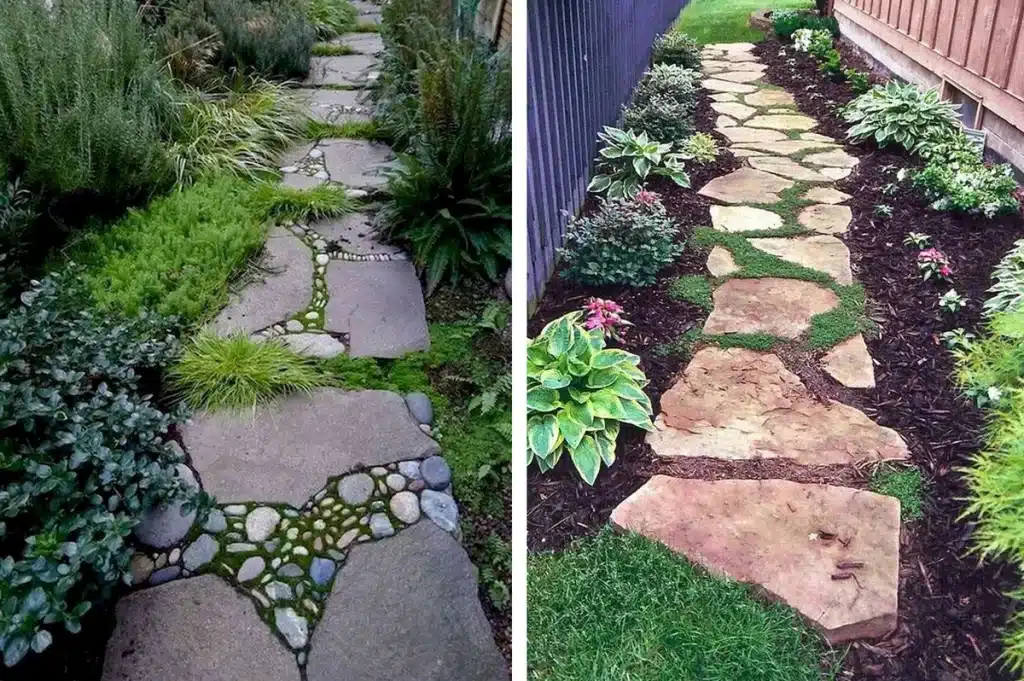
4. Garden Pathway with Stones
Adding a stone pathway can bring structure and charm to your garden. Use gravel, flagstones, or pebbles to create walkways between garden beds or around focal points. It’s not just practical, it gives your garden a polished, inviting look.
Pros: Defines space, reduces soil compaction, low maintenance.
Cons: Can be slippery when wet and may shift over time.
5. Hanging Basket Garden
Hanging baskets are a decorative and space-efficient way to grow flowers or trailing plants. Perfect for porches, patios, or balconies, they bring plants closer to eye level for visual appeal.
Pros: Saves space, adds height and depth, versatile.
Cons: Baskets dry out fast and may need frequent watering.

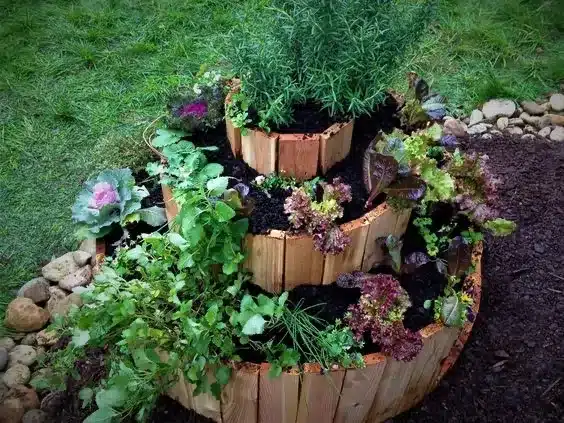
6. Herb Spiral Garden
A herb spiral is a compact, spiral-shaped garden that uses vertical space and provides various microclimates. It’s great for growing different herbs in one place—like basil, mint, thyme, and rosemary. It adds a sculptural element to your garden and is ideal for smaller yards or courtyards.
Pros: Saves space, easy access to herbs, water-efficient.
Cons: Requires initial building effort and good sun exposure.
7. Pallet Planter Wall
Repurposed wooden pallets can be transformed into vertical planters, perfect for small gardens or balconies. They can hold herbs, small flowers, or succulents and give your outdoor space a rustic charm. Paint or stain the wood for added style.
Pros: Budget-friendly, upcycled, visually appealing.
Cons: Wood may deteriorate over time; limited space per plant.

8. Garden Seating Corner
Create a cozy garden nook with a bench or a set of chairs surrounded by plants and flowers. Add some cushions, a small table, and lighting for a perfect relaxation spot. It turns your garden into a functional retreat.
Pros: Inviting, adds comfort and usability, perfect for gatherings.
Cons: Furniture may need protection from weather.

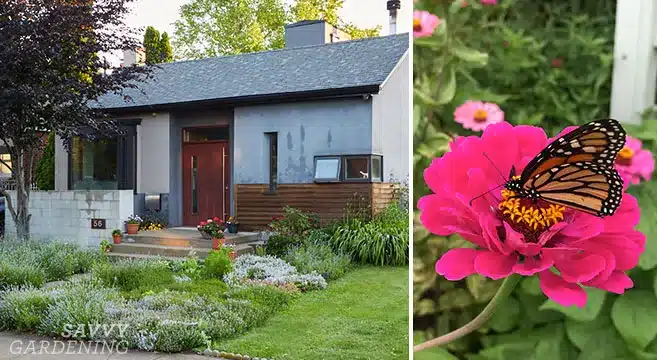
9. Butterfly & Bee Garden
Design a garden filled with nectar-rich flowers like lavender, coneflowers, and milkweed to attract pollinators. This not only supports the ecosystem but brings movement and color to your space.
Pros: Eco-friendly, supports pollinators, beautiful.
Cons: Needs regular upkeep and seasonal planting.
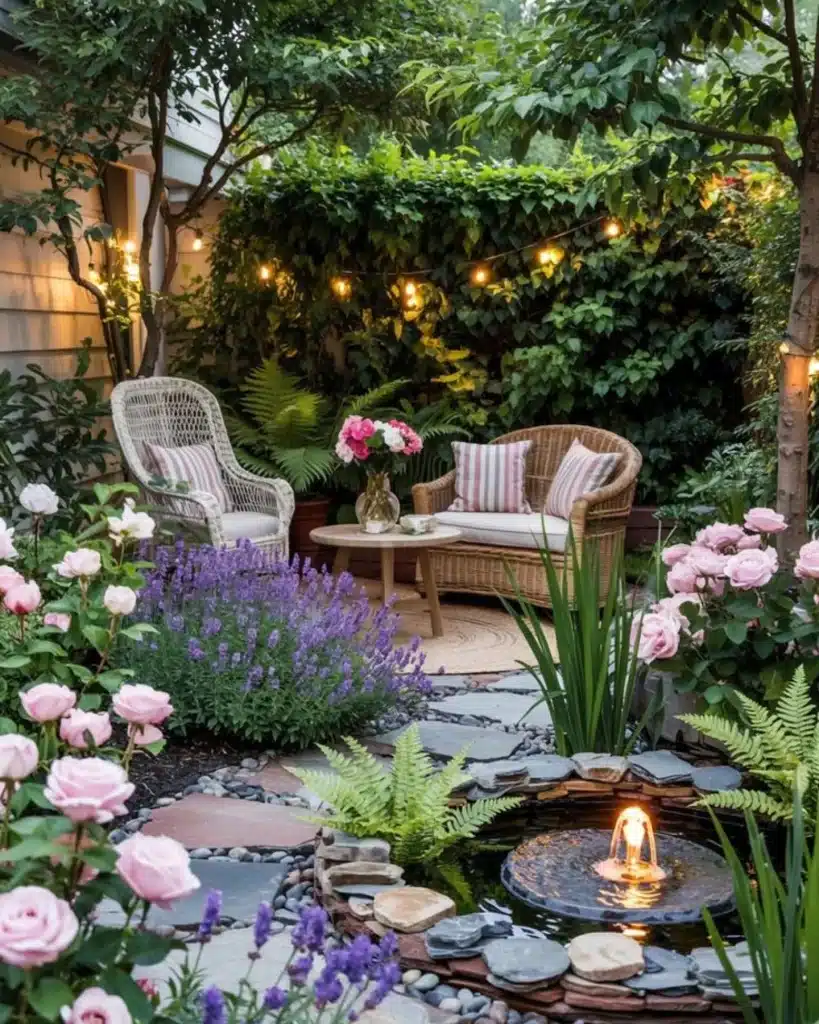
10. Fairy Light Trellis
Wrap fairy lights around a wooden or metal trellis with climbing plants like jasmine or clematis. It creates a magical vibe for evenings and adds height and character to your garden.
Pros: Adds ambiance, decorative and functional.
Cons: Lights need maintenance and protection from weather.
11. Vertical Pipe Planters
Use PVC or metal pipes mounted on walls or fences to grow plants vertically. Drill holes, fill with soil, and plant herbs or small flowers. This DIY-friendly idea is perfect for tight spaces and adds a modern industrial look to your garden.
Pros: Space-saving, customizable, and unique design.
Cons: Needs proper drainage; pipes can heat up in the sun.

13. Pebble Mosaic Pathway
Add an artistic touch with a mosaic path made from colored pebbles or river stones. Design it to wind through your garden or lead to a seating area.
Pros: Decorative, durable, defines movement.
Cons: Time-consuming to create; may need occasional weeding between stones.

14. Tire Planters
Old tires can be painted and stacked or hung to create playful planters. Grow flowers, herbs, or even strawberries in them. It’s a creative way to reuse waste.
Pros: Eco-friendly, bold and fun, cheap.
Cons: Tires can trap water and heat; might not appeal to all aesthetics.

15. Solar-Powered Garden Lights
Install solar lights along paths or around plants to create soft evening lighting without wiring. Some come as decorative lanterns, fairy lights, or spotlights.
Pros: Energy-saving, no electric setup, adds nighttime beauty.
Cons: Needs sunlight to recharge; dimmer on cloudy days.

16. Cinder Block Planters
Stack cinder blocks creatively and fill holes with soil to grow plants. Great for geometric arrangements and small outdoor areas. You can also paint the blocks for extra flair.
Pros: Durable, modern look, doubles as seating or walls.
Cons: Heavy to move, not ideal for large root systems.

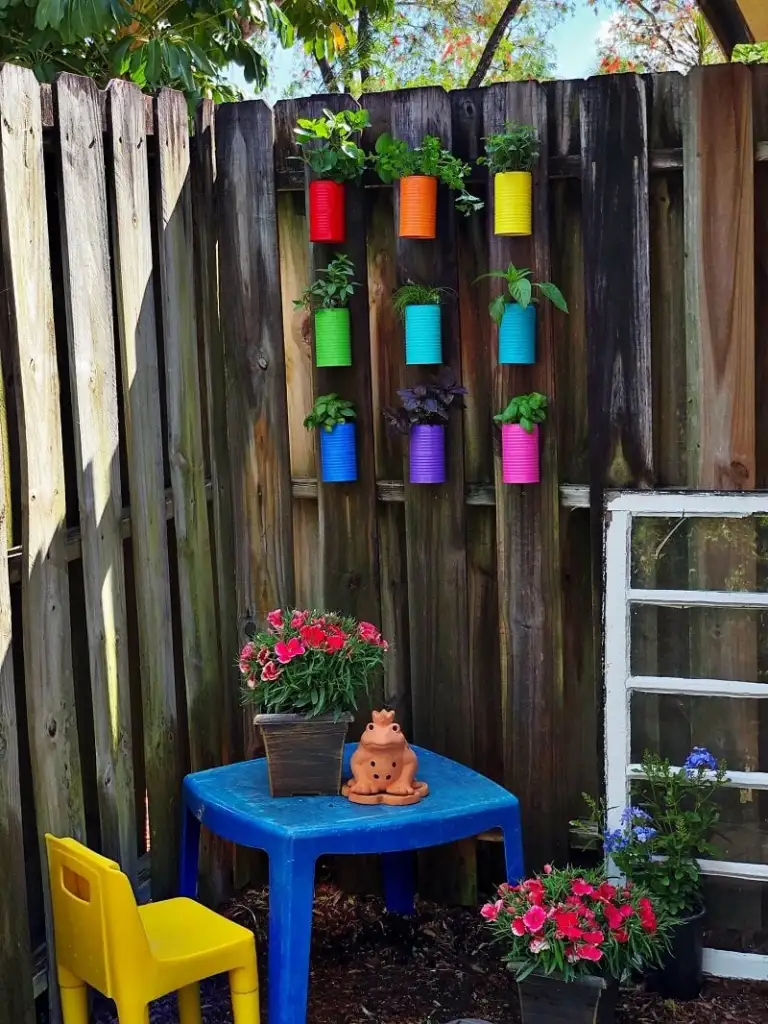
17. Recycled Can Herb Garden
Clean and paint used tin cans, then fill them with soil to grow herbs like mint, basil, or thyme. Mount them on walls or railings for easy kitchen access.
Pros: Inexpensive, eco-friendly, compact.
Cons: Limited root space; rust can develop over time.
18. Bird Bath Centerpiece
A bird bath adds charm and encourages feathered visitors to your garden. Use a store-bought one or repurpose old bowls or dishes on a pedestal. Surround it with flowers for a lush look.
Pros: Attracts birds, peaceful focal point, easy to install.
Cons: Needs regular cleaning and refilling; may attract mosquitoes if left stagnant.

19. Compost Bin
A compost bin turns kitchen scraps and garden waste into nutrient-rich soil. Place it in a shaded spot and regularly turn the contents to speed up decomposition. This eco-friendly solution reduces waste and improves garden fertility.
Pros: Environmentally friendly, enriches soil, saves money on fertilizers.
Cons: Requires maintenance; can attract pests if not managed properly.

20. Garden Bench Seating
Adding a garden bench offers a relaxing spot to enjoy your greenery. Choose materials like wood or metal that match your garden style. Position the bench in shaded or sunny areas depending on your preference, and surround it with plants for a cozy vibe.
Pros: Enhances garden usability, adds charm, encourages outdoor time.
Cons: Needs upkeep depending on material; takes space.

How do I start a small garden at home?
Begin by choosing a sunny spot, picking easy-to-grow plants, and using good soil. Start small and expand as you gain confidence.
What plants grow best in small gardens?
Herbs, compact vegetables, and flowers like marigolds or petunias work great in small spaces.
Can I grow a garden with limited sunlight?
Yes, choose shade-tolerant plants like ferns, hostas, or leafy greens to thrive in less sunny spots.
How often should I water my garden?
Water early in the morning or late afternoon, keeping soil moist but not soggy. Frequency depends on plant type and weather.
What is companion planting?
It’s planting certain plants close together to help each other grow, repel pests, or improve flavor.
How can I keep pests away naturally?
Use natural repellents like neem oil, companion planting, or introduce helpful insects like ladybugs.
What soil is best for a home garden?
Loamy, well-drained soil rich in organic matter works best for most plants.
Do I need fertilizers for a small garden?
Yes, organic fertilizers or compost help plants grow strong and healthy without chemicals.
Can I garden if I don’t have a yard?
Absolutely! Try container gardening on balconies, patios, or windowsills.
How do I maintain my garden year-round?
Prune regularly, mulch to retain moisture, and adjust plants seasonally for ongoing care.
Conclusion
Starting a home garden is easier than it seems and brings lots of joy and benefits. With a bit of care and creativity, you can turn any space into a peaceful green retreat. Remember, every garden grows with patience, so enjoy the process and watch your plants flourish.


